The short answer
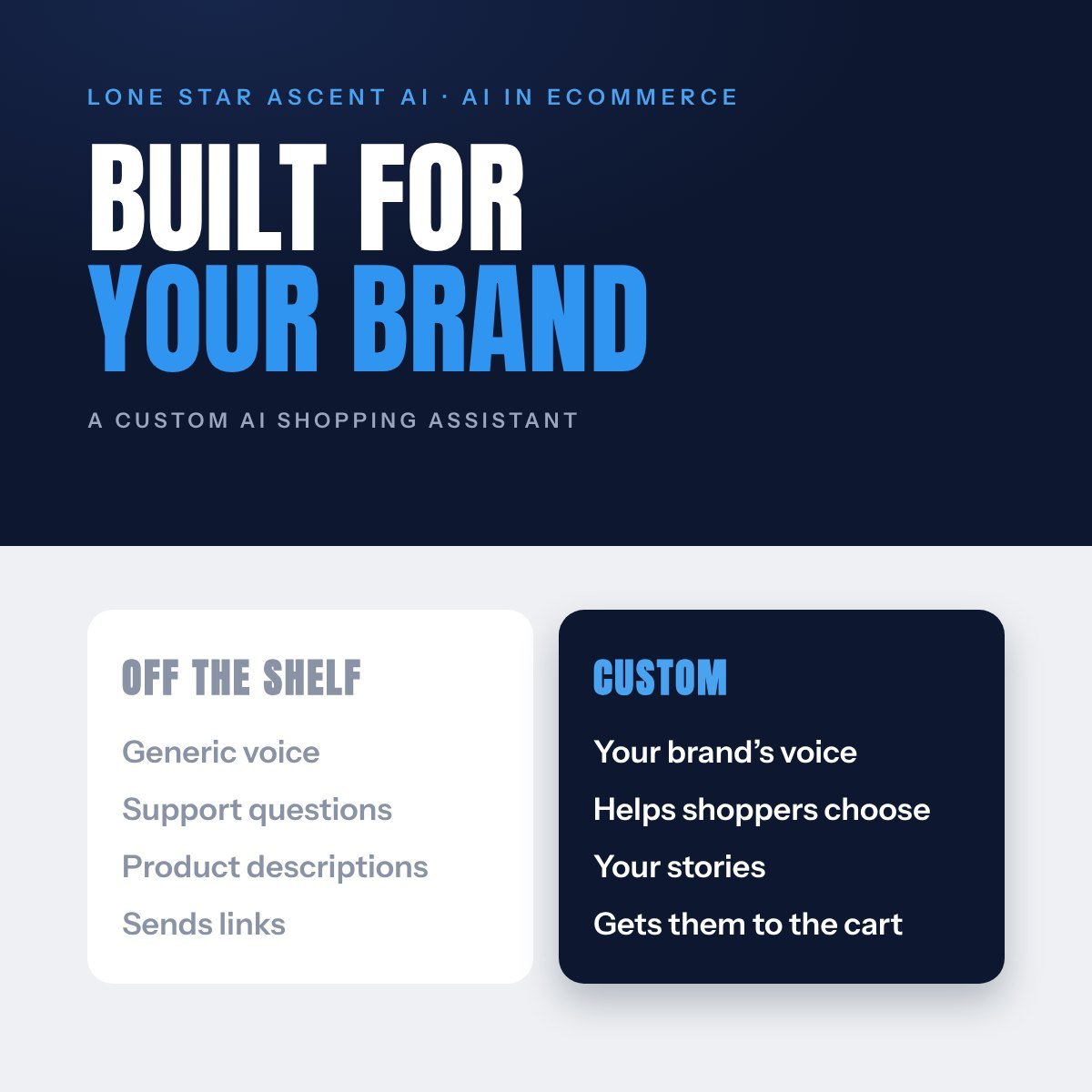
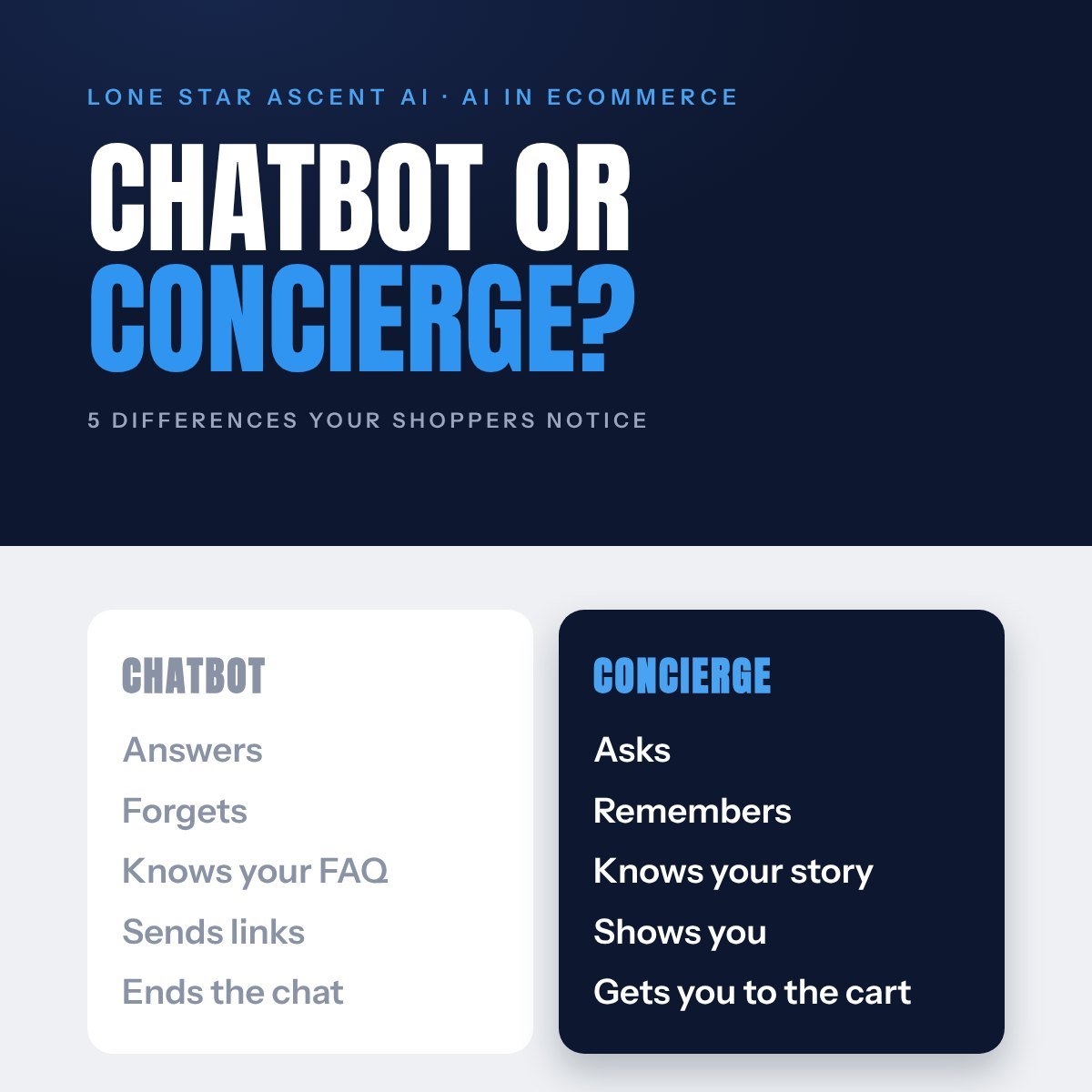
A chatbot answers questions. An AI shopping concierge helps shoppers choose. It asks the next good question, remembers what the shopper said, knows your brand story as well as your FAQ, shows the products instead of sending links, and gets the shopper all the way to the cart. Support chatbots still have a job: order status, returns and store hours. Selling is a different job.
That’s the bar Lone Star Ascent AI builds Travis to. Travis is live with Alvies boots at meettravis.ai.
Why the difference matters now
- Shoppers who arrive from AI convert better. Adobe found AI-referred visits to US retail sites converted 60% better than other traffic in July 2026, with 53% more revenue per visit.
- They want help choosing, not autopilot. In Deloitte’s 2026 Holiday Retail Survey, 39% of US consumers said generative AI is their main tool for at least one holiday shopping task, but only 16% would let it complete a purchase.
These shoppers have just had a real conversation with an AI. If your store answers with a keyword box or a support bot, it feels like a step back.
5 differences between a chatbot and an AI shopping concierge
1. A chatbot answers. A concierge asks.
Say “ankle boots I can wear to dinner” to a chatbot and you get a list, or a link to a category page. A concierge asks one good question first, like what you’re wearing or where dinner is, the way your best salesperson would. Then it recommends a short list and says why each pick works.
2. A chatbot forgets. A concierge remembers.
Shoppers change their minds. They ask about a second boot, then go back to the first. A concierge keeps the whole conversation: the occasion, the colors they liked, the price they mentioned. Nobody has to repeat themselves.
3. A chatbot knows your FAQ. A concierge knows your story.
A chatbot trained on your help pages can tell a shopper your return window. A concierge can tell them why a product exists. Ask Travis about the Alvies VY, the boot made with former Texas quarterback Vince Young, and he says: “Its shaft’s stitched like a football, a nod to Vince’s gridiron glory.” That’s the moment that sells the boot. We cover what to teach a concierge in What a voice concierge needs to know about your brand.
4. A chatbot sends links. A concierge shows you.
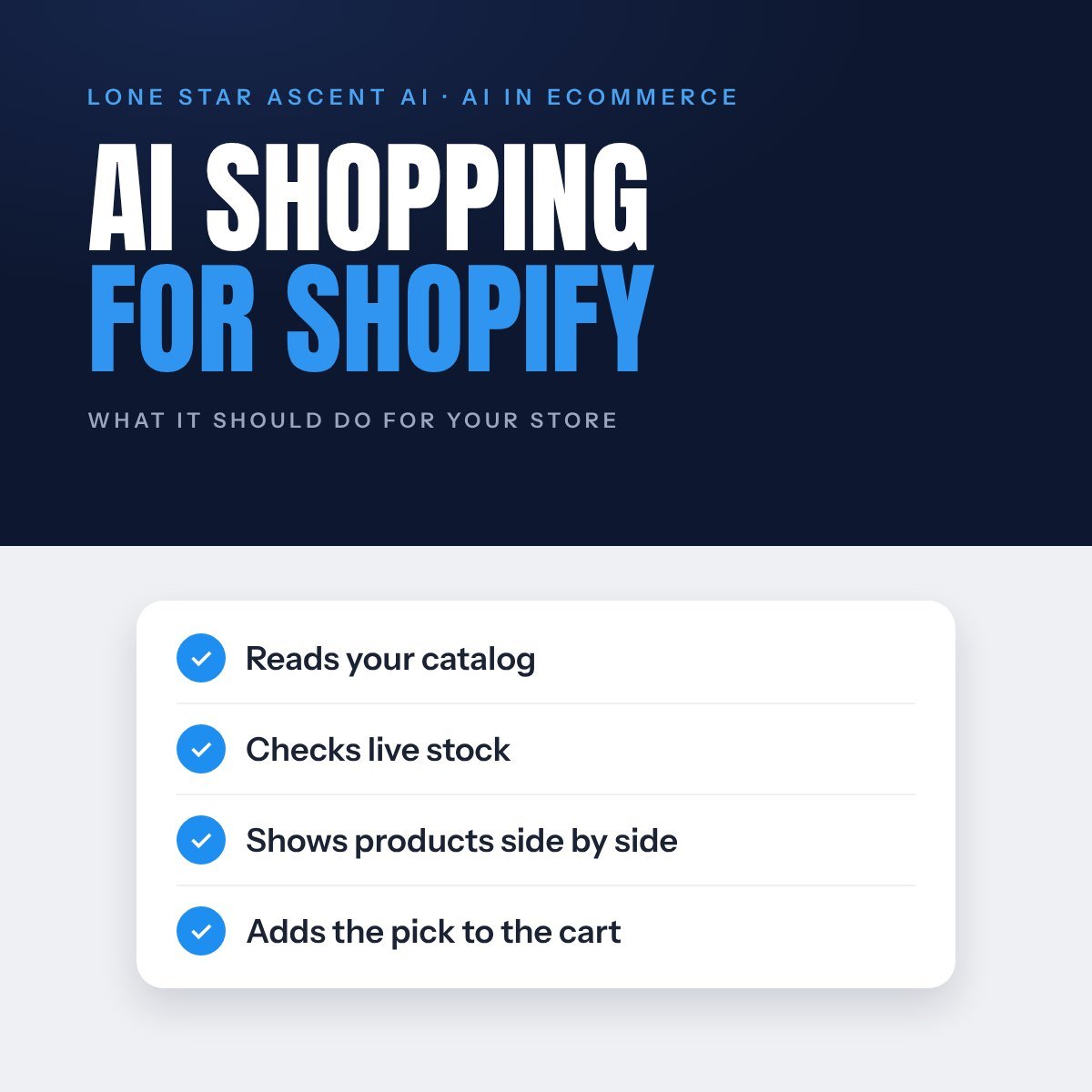
A link sends the shopper away to start browsing again. A concierge puts the products on screen, side by side, while the conversation keeps going. The visuals stay. The clicking goes.
5. A chatbot ends the chat. A concierge gets you to the cart.
A support chat ends when the question is answered. A shopping conversation should end with the right product in the cart. A concierge adds the exact item when the shopper asks, and leaves checkout to them.
A 10-minute test for your store
- Pick five real questions from your reviews, your customer service inbox or your store team. For example: “a gift for my dad, he likes brown” or “something dressy for a winter wedding.”
- Ask your assistant each one on a phone, by voice if it supports voice and by text.
- Score each answer yes or no: Did it ask a useful question? Did it remember what you said? Did it tell the product’s story? Did it show the products? Could you reach the cart without leaving the conversation?
- Five yeses is a concierge. Two or fewer is a chatbot.
When a chatbot is enough
If most of your conversations are about order status, shipping and returns, a support chatbot connected to your help desk is the right tool. A concierge is for the moment before the sale, when a shopper knows what they need but not which product. Many brands will run both.
What to measure
- Conversations that reach the cart. The clearest sign the concierge is selling.
- Questions per conversation. Good conversations go back and forth.
- What shoppers ask. Occasions, colors and comparisons are product and marketing insight.
- Where conversations stop. Each drop-off points to a missing answer.
For a fuller checklist, see How to choose an AI shopping assistant for your ecommerce store and How to measure an AI shopping assistant.
Sources
- Adobe Analytics AI referral traffic data for July 2026, reported by Digital Commerce 360, August 19, 2026
- Deloitte, 2026 Deloitte Holiday Retail Survey (4,000 US consumers), October 15, 2026
FAQ
What is an AI shopping concierge?
An AI shopping concierge is a conversational assistant on a brand’s own store that helps shoppers choose. It asks follow-up questions, remembers the conversation, explains products in the brand’s voice, shows them on screen and adds the chosen item to the cart.
Is an AI shopping concierge the same as a chatbot?
No. A chatbot mostly answers questions, often about orders and policies. A concierge guides the shopper to the right product and through to the cart, the way a great salesperson would.
Can a chatbot become an AI shopping concierge?
Only with more than a better model. It needs deep product and brand knowledge, a conversation designed to ask before it suggests, a visual way to show products and a connection to the cart.
Does an AI shopping concierge replace customer service?
No. It works before the sale. Order status, returns and anything that needs a person should still go to your support team or a support chatbot.
How do I know which one my store has?
Ask it five real shopper questions on a phone. If it asks good questions, remembers what you said, tells the product’s story, shows the products and gets you to the cart, it’s a concierge.